

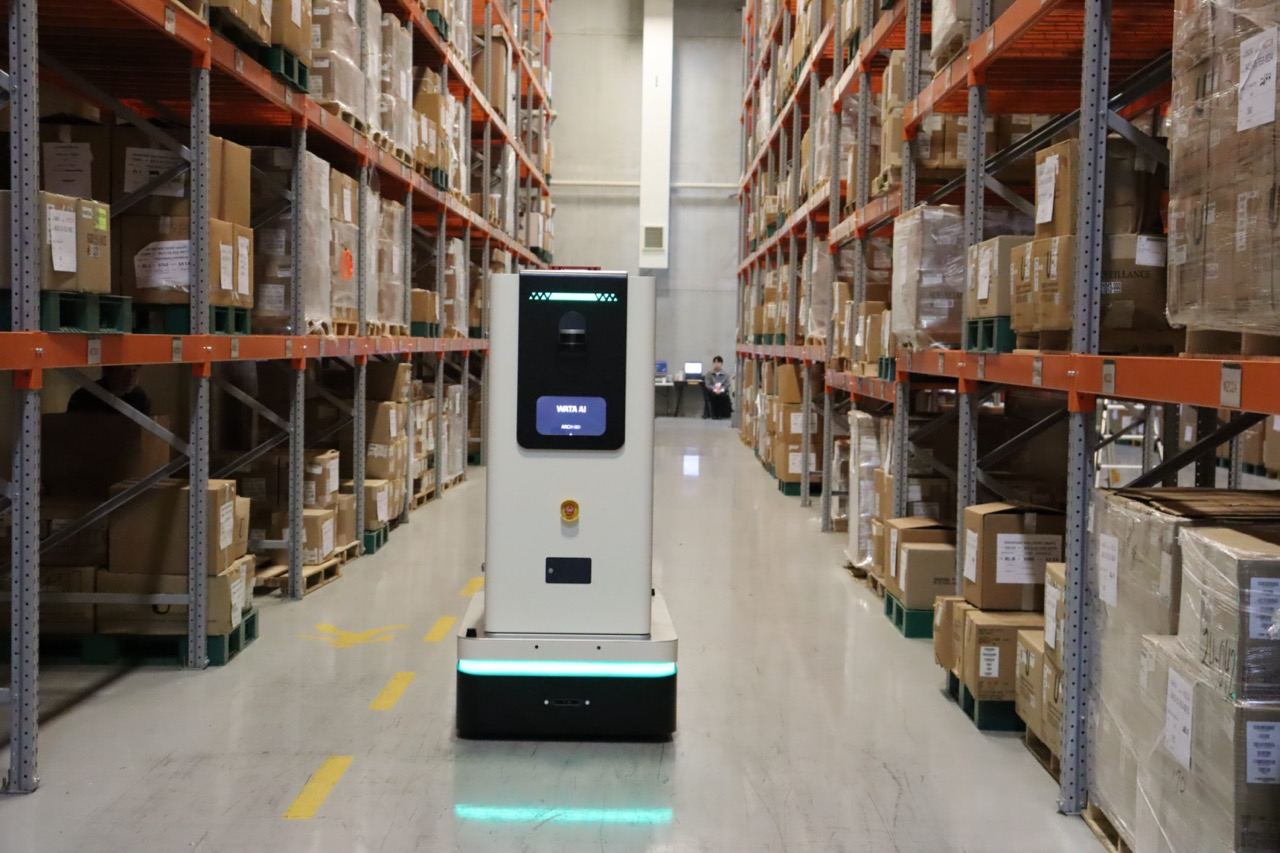
Online shopping has made returns a huge and costly part of retail, and warehouses are now turning to robots that can open, unpack and sort returned parcels without constant human help. The newest systems combine mobile robots, robotic arms and camera vision to identify a box, cut its tape safely, lift out the contents and check whether an item looks damaged or complete. For retailers, the appeal is clear: returns often arrive in unpredictable condition, at unpredictable times, and processing them slowly ties up stock that could be resold. Automating the first stages does not remove people from the process, but it shifts them toward inspection and decision-making rather than repetitive opening and carrying. Early trials suggest the approach could shorten the time between a parcel arriving back and a resalable item returning to the shelves, while also reducing injuries linked to lifting and repetitive strain in busy fulfilment centres during peak trading periods. Pilot sites report that staff trust grows when the machines explain each decision clearly on screen.
What the Evidence Shows
The technical challenge is variety. Unlike factory lines, returns centres handle soft clothing, fragile electronics and oddly shaped household goods in the same hour, so robots must adjust grip, speed and handling for each object. Vision models trained on millions of parcel images help the machines estimate weight, orientation and fragility before they touch anything, while force sensors prevent crushing. Operators say the systems work best as partners: robots handle the predictable unpacking and transport, and staff resolve the ambiguous cases, such as missing accessories or signs of wear. Retail analysts note that faster, cheaper returns processing could also encourage more accurate product descriptions and sizing tools, since retailers will see clearer data on why items come back. If the trials scale, the humble returns desk may become one of the most automated parts of modern retail, quietly reshaping warehouse jobs rather than simply replacing them overnight. Managers add that clearer sorting data also helps reduce unnecessary waste from perfectly resalable stock. Reporting and analysis from sources such as IEEE Spectrum track the same developments, and specialists following the automated returns unpacking system say the direction is now consistent across independent lines of evidence.
The Wider Context
Adoption of the automated returns unpacking system follows a familiar pattern with an unfamiliar speed. Early users tolerate rough edges in exchange for advantage, mainstream users arrive when the tool disappears into existing workflows, and the market consolidates around whoever made that transition feel effortless. Vendors are racing less on raw performance now than on integration, support and trust.
What Happens Next
The realistic forecast for the automated returns unpacking system is steady integration rather than sudden replacement: embedded in products people already use, improving in increments, and regulated in proportion to its reach. The companies and institutions that plan on that basis, training staff and redesigning processes instead of chasing launches, are the ones the adoption data tends to vindicate. You can follow related developments in our coverage of technology.
It is also worth remembering how quickly the picture in this area has changed before. Positions that looked settled a few years ago have been revised as new data arrived, and the same humility is appropriate now. The strongest coverage of this subject, and the most useful advice, tends to come from sources that update their views openly when the facts move, rather than defending an earlier position long after it has stopped fitting the evidence available.
