

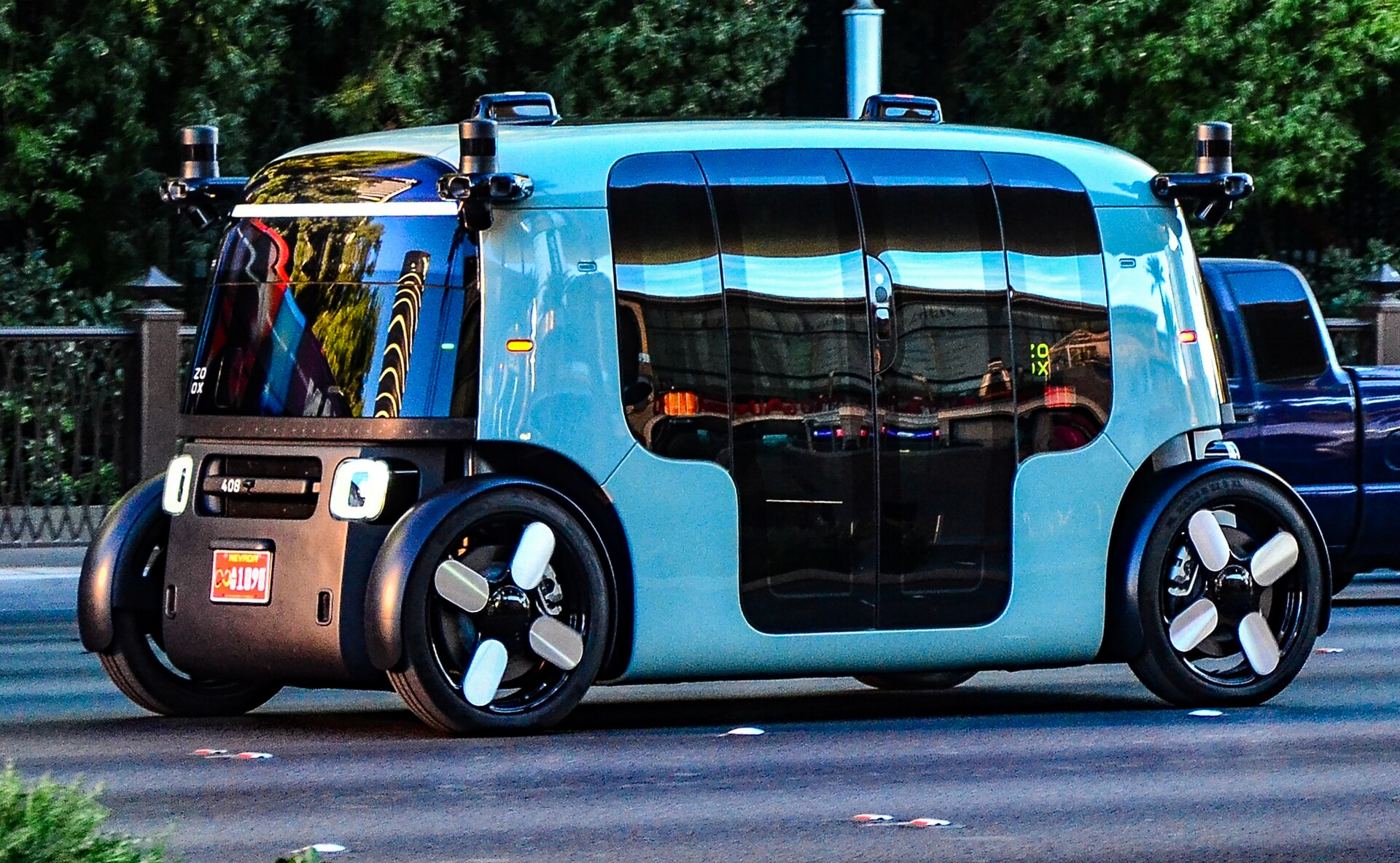
Driverless cars have moved from test tracks and small pilot zones into everyday city life in the United States. Waymo, the self-driving company owned by Alphabet, now offers paid rides without a human driver in fifteen metropolitan areas, including Phoenix, San Francisco, Los Angeles, Miami, Dallas, Houston, Denver, San Diego and Tampa. The expansion in 2026 was rapid, with several cities opening to public riders in the same year, and the company says it is providing hundreds of thousands of paid trips every week. For passengers, the experience is deliberately ordinary: they summon a car through an app, climb in alone, and watch the steering wheel turn by itself. Behind that simplicity sits a large system of cameras, radar, lidar and mapping software that builds a detailed picture of the road in real time. Supporters argue that removing the driver can cut crashes caused by distraction, tiredness and impairment, while critics ask how the vehicles behave in heavy rain, roadworks and unusual situations. The answer is being tested in public, mile by mile, in real traffic.
What the Evidence Shows
The scale of the rollout matters because each new city tests the technology in different conditions. Phoenix brings wide roads and desert heat, San Francisco brings steep hills and fog, Miami brings sudden tropical rain, and Los Angeles brings dense freeway traffic. Waymo has also introduced a purpose-built vehicle, the Ojai, designed around passengers rather than adapted from an existing car, with a flat floor, wide doors and accessibility features. Regulators are watching closely, and approvals vary from state to state, so growth depends as much on permits and public trust as on engineering. Taxi drivers and ride-hailing drivers worry about their livelihoods, while city officials weigh congestion, kerb space and safety data. What is clear is that robotaxis are no longer a demonstration. They are a working transport service used by ordinary commuters, airport travellers and night-shift workers, and their performance over the next few years will shape how quickly driverless transport spreads to other countries. Reporting and analysis from sources such as IEEE Spectrum track the same developments, and specialists following driverless ride-hailing say the direction is now consistent across independent lines of evidence.
The Wider Context
Adoption of driverless ride-hailing follows a familiar pattern with an unfamiliar speed. Early users tolerate rough edges in exchange for advantage, mainstream users arrive when the tool disappears into existing workflows, and the market consolidates around whoever made that transition feel effortless. Vendors are racing less on raw performance now than on integration, support and trust.
What Happens Next
The realistic forecast for driverless ride-hailing is steady integration rather than sudden replacement: embedded in products people already use, improving in increments, and regulated in proportion to its reach. The companies and institutions that plan on that basis, training staff and redesigning processes instead of chasing launches, are the ones the adoption data tends to vindicate. You can follow related developments in our coverage of technology.
It is also worth remembering how quickly the picture in this area has changed before. Positions that looked settled a few years ago have been revised as new data arrived, and the same humility is appropriate now. The strongest coverage of this subject, and the most useful advice, tends to come from sources that update their views openly when the facts move, rather than defending an earlier position long after it has stopped fitting the evidence available.
