

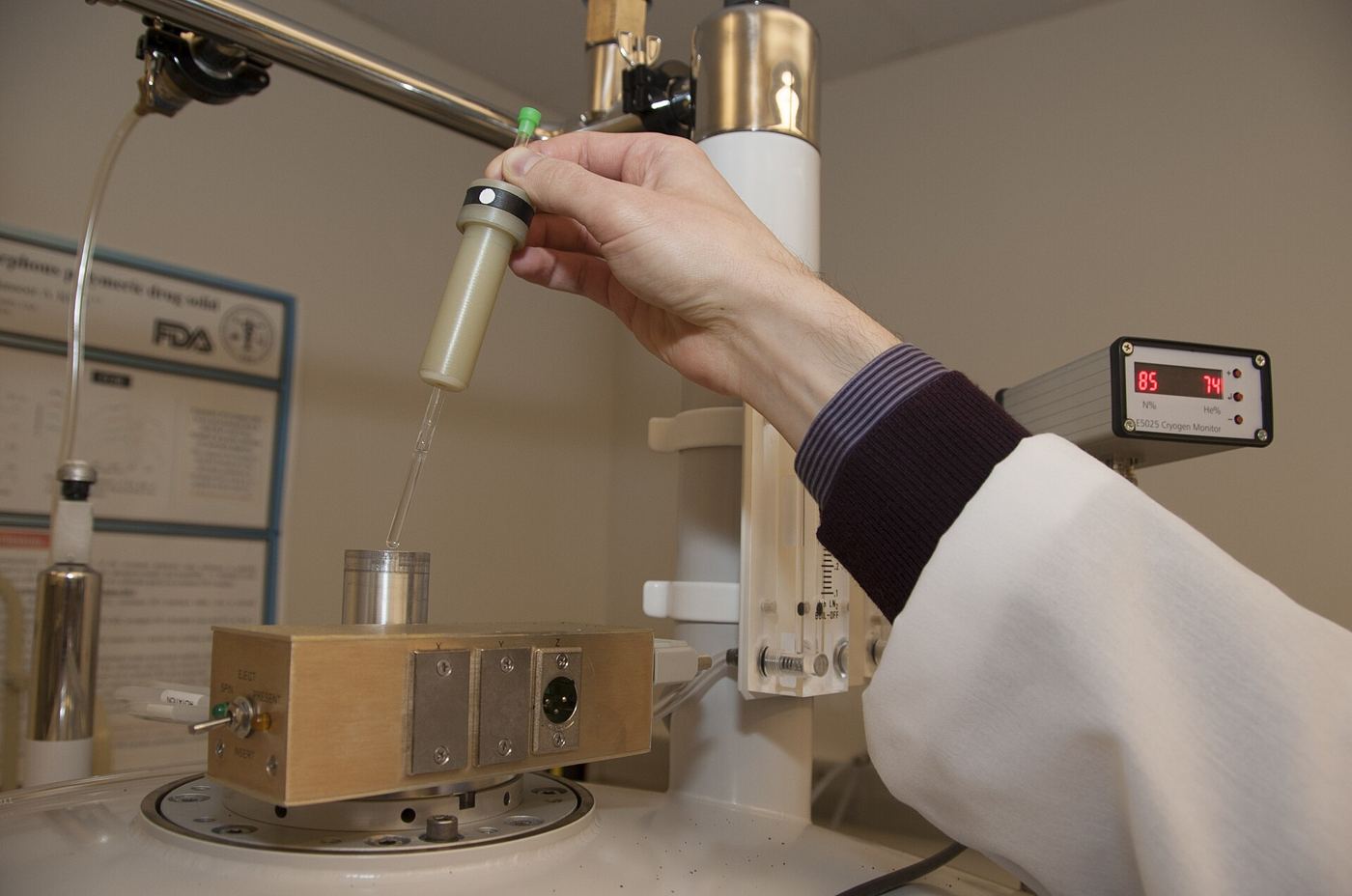
Finding a new medicine has always been slow and costly work. Researchers traditionally screened thousands of chemical compounds in laboratories, testing each one against a target linked to a disease, and most candidates failed long before reaching patients. The process could take a decade and consume vast sums, which is one reason new treatments arrive so slowly. Artificial intelligence is beginning to change that pattern. Computer models trained on large collections of chemical and biological data can now suggest which molecules are most likely to bind to a disease target, and which are likely to fail for safety reasons. Pharmaceutical teams use these predictions to narrow a long list of candidates to a small number worth testing in the laboratory. The models can also propose entirely new molecular structures that human chemists might never have considered. Early results have been encouraging, with several AI-designed compounds already entering human trials, and researchers say the approach could cut years from the search for treatments for diseases that currently have few options.
What the Evidence Shows
The technology works by learning patterns from decades of published chemistry and biology. A model studies how known drugs interact with proteins, how molecules are built, and which structures tend to cause side effects, then applies those lessons to new targets. Scientists still test every suggestion in the laboratory, since a computer prediction is only a starting point and the real proof comes from experiments on cells and animals. The value is in the speed of the search: a team can explore millions of possibilities in days instead of years. Regulators are watching closely, because a drug designed with AI must pass the same safety trials as any other medicine. Researchers caution that the tools are not a shortcut around testing, but they say the early pipeline results suggest the approach is here to stay. Reporting and analysis from sources such as IEEE Spectrum track the same developments, and specialists following the AI-designed drug candidates say the direction is now consistent across independent lines of evidence.
The Wider Context
Adoption of the AI-designed drug candidates follows a familiar pattern with an unfamiliar speed. Early users tolerate rough edges in exchange for advantage, mainstream users arrive when the tool disappears into existing workflows, and the market consolidates around whoever made that transition feel effortless. Vendors are racing less on raw performance now than on integration, support and trust.
What Happens Next
The realistic forecast for the AI-designed drug candidates is steady integration rather than sudden replacement: embedded in products people already use, improving in increments, and regulated in proportion to its reach. The companies and institutions that plan on that basis, training staff and redesigning processes instead of chasing launches, are the ones the adoption data tends to vindicate. You can follow related developments in our coverage of technology.
It is also worth remembering how quickly the picture in this area has changed before. Positions that looked settled a few years ago have been revised as new data arrived, and the same humility is appropriate now. The strongest coverage of this subject, and the most useful advice, tends to come from sources that update their views openly when the facts move, rather than defending an earlier position long after it has stopped fitting the evidence available.
