

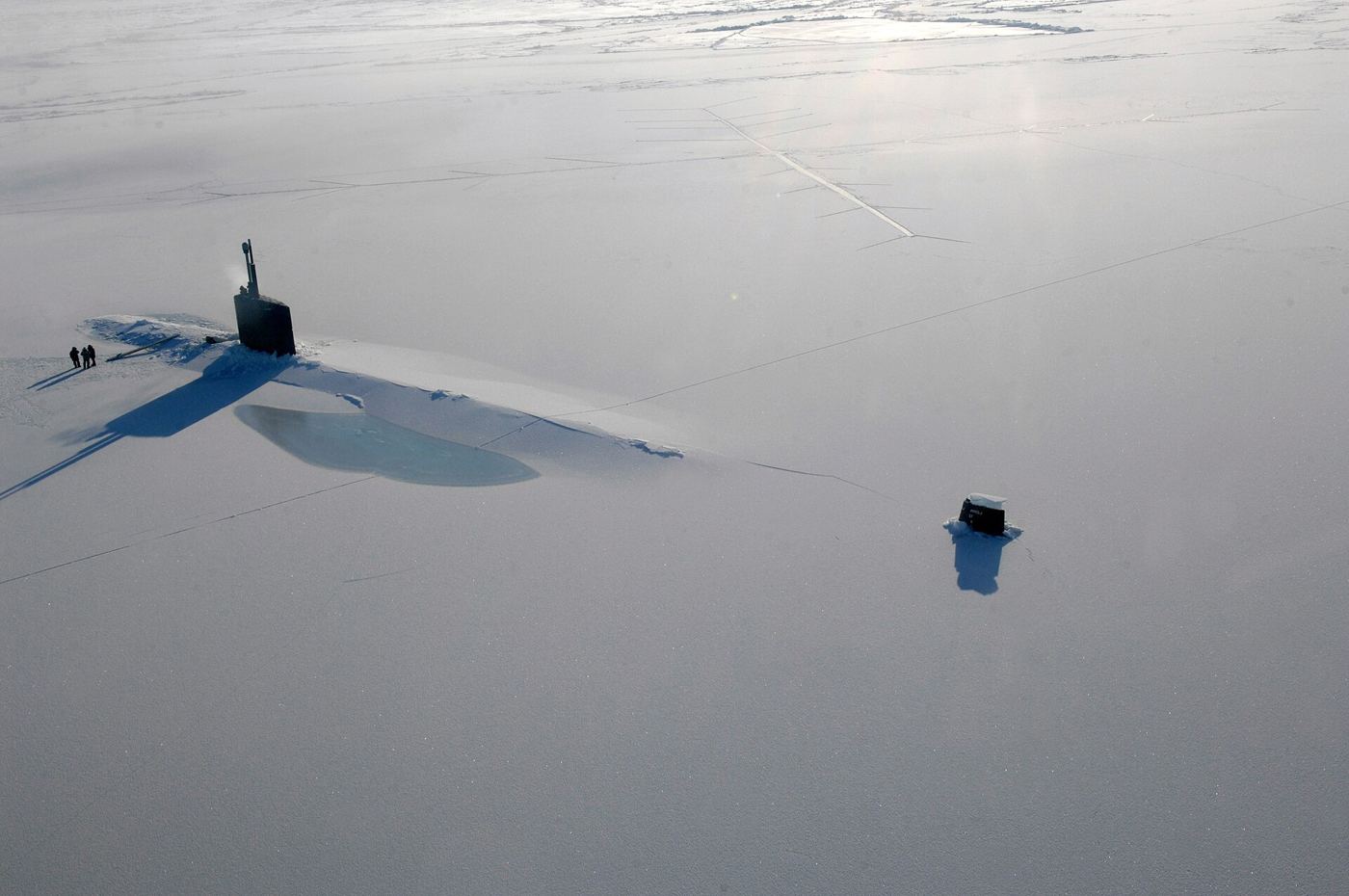
Arctic sea ice is forming later than usual this autumn, as mild air and warm ocean water slow the freeze that normally spreads across polar seas at this time of year. Scientists monitoring the region by satellite and buoy describe a patchy, hesitant start, with open water lingering in areas that would typically be locked in young ice by now. The delay matters far beyond the pole: sea ice reflects sunlight back into space, shelters ecosystems that begin under the ice and shapes weather patterns felt at lower latitudes. Researchers are careful to separate one mild season from the long-term trend, but they note that late freeze-ups have become more common across the satellite record, and that thin first-year ice is more vulnerable to melting the following summer. Field teams working with northern communities are hearing the change described in practical terms, from hunting and travel routes that form later to coastal erosion where protective shore ice is absent. The observation season continues through the polar night, with instruments recording temperature, thickness and drift so the full story of this year’s freeze can be understood.
What the Evidence Shows
Researchers studying delayed Arctic sea ice formation say the ocean’s stored summer heat is the key factor, because water must cool before ice can grow, however cold the air above it feels. Autonomous buoys frozen into the young ice will drift with it all winter, sending back the measurements that satellites alone cannot provide. Models are tested against these observations and adjusted where the real ice behaves differently from predictions. Scientists also stress the human connection: shipping, fishing and the daily lives of Arctic residents all depend on knowing when the sea will freeze and how thick the ice will become. International teams share the data openly, since the Arctic Ocean touches many nations and no single country can monitor it alone. As winter deepens, the freeze will accelerate, but the late start shortens the growing season for thick, resilient ice. Each season’s record, researchers say, adds another careful line to one of the clearest accounts of a warming world. Reporting and analysis from sources such as Nature track the same developments, and specialists following delayed Arctic sea ice formation say the direction is now consistent across independent lines of evidence.
The Wider Context
The wider context is a research landscape in which replication and open data now decide reputations. Findings connected to delayed Arctic sea ice formation are being checked by independent groups with shared datasets, and the teams involved publish their methods in full so rivals can test every step. That discipline is slower than a headline cycle, but it is why results in this area increasingly survive first contact with scrutiny.
What Happens Next
What happens next in the story of delayed Arctic sea ice formation will be decided by follow-up work already under way: larger samples, longer observation and instruments that have not yet come online. The researchers involved are unusually united on one point, that the current results justify the next investment of time and money. Readers will not have to wait long for the first tests of that claim. You can follow related developments in our coverage of science.
None of this will be settled by a single announcement, study or product launch. The pattern to watch is accumulation: independent confirmations, honest reporting of failures and steady improvement in the underlying numbers. Readers who follow those signals, rather than the loudest claim of the week, will understand this subject better than most of the commentary surrounding it suggests is possible.
